CONTEXMAPPING FOR TUBERCULOSIS CONTACT TRACING
Identifying gaps in TB contact investigation in Cali
Overview
Objectives
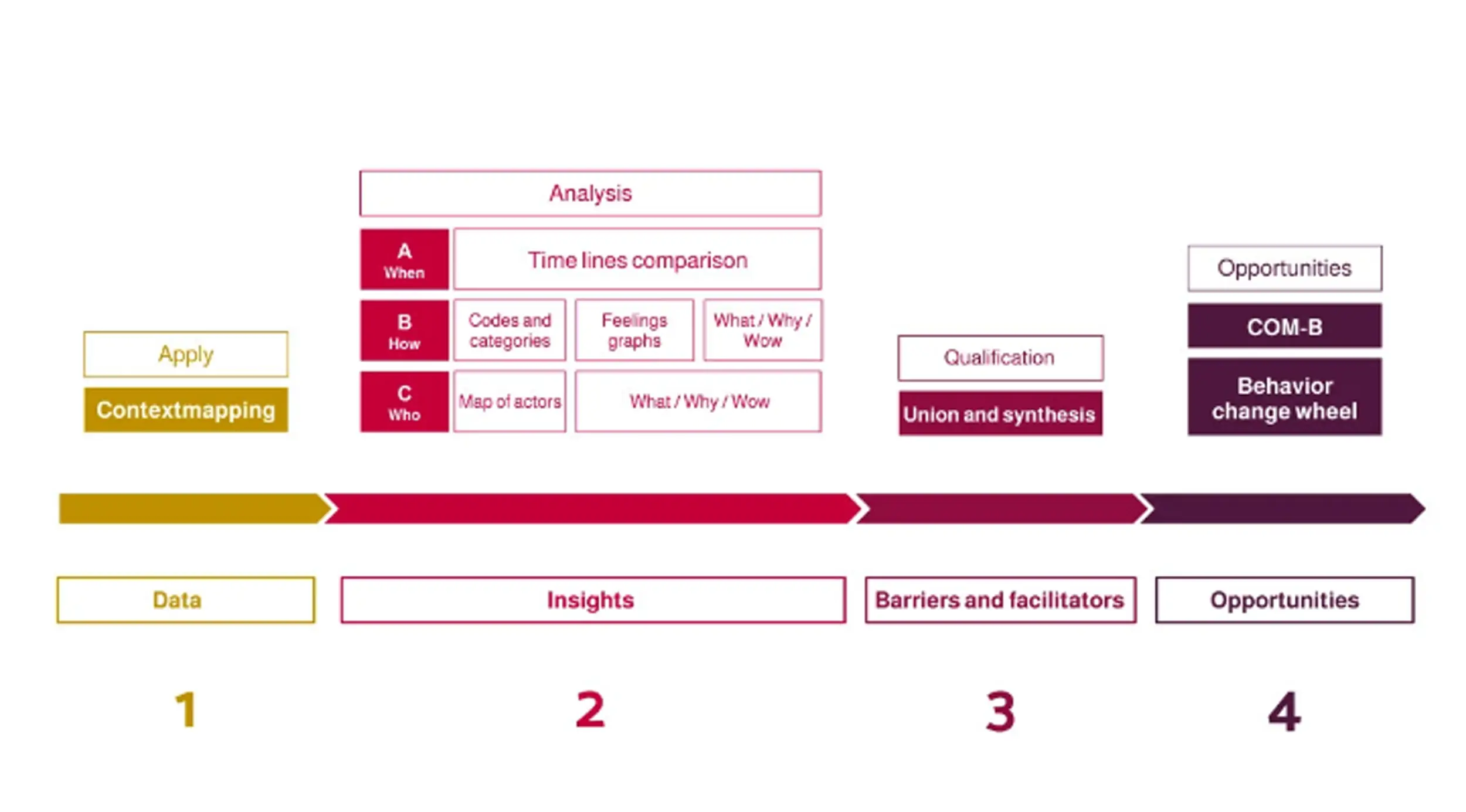
Identify barriers and facilitators in the TB contact investigation process
Understand user experiences from a holistic, behavioral perspective
Analyze the process across temporal, emotional, and social dimensions
Translate findings into intervention opportunities using COM-B and Behavior Change Wheel
Context and Problem
Tuberculosis contact tracing relies on individuals attending medical evaluations, yet many contacts delay or avoid this process due to low risk perception, lack of information, and systemic barriers.
This project was developed in collaboration with public health researchers (Colciencias) and the Secretaría de Salud de Cali, focusing on understanding the real experiences of tuberculosis contacts within the local healthcare system.
Research & Design Process
Approach
To understand how people consume and react to information, I combined| qualitative research, behavioral analysis, and benchmarking of existing platforms.
User interviews to explore attitudes, habits, and perceptions around misinformation
Behavioral analysis of fast-paced, social content consumption patterns
Benchmarking of fact-checking tools (e.g. Verificat, Maldita) to identify gaps
Application of COM-B framework to map barriers and motivators
Key Insights
Verification feels like an effort with no reward
Users understand its importance, but it offers no immediate benefit or feedbackInformation consumption is fast, emotional, and social
Content is shared quickly, often driven by reaction rather than reflectionQuestioning information can feel socially uncomfortable
Challenging content in group settings may create friction or discomfortThere are no simple verification habits
Users lack quick, repeatable ways to validate information in real time
Design Decisions
Make verification rewarding → introduce a streak system
Turns verification into a habit through consistency and motivationReduce friction → integrate into messaging platforms
No app switching, no signup, no interruption to existing behaviorKeep it fast → 30-second interactions
Designed to match real content consumption patternsLower resistance → use a playful, ironic tone
Makes critical thinking more engaging and less intimidating
Outcome
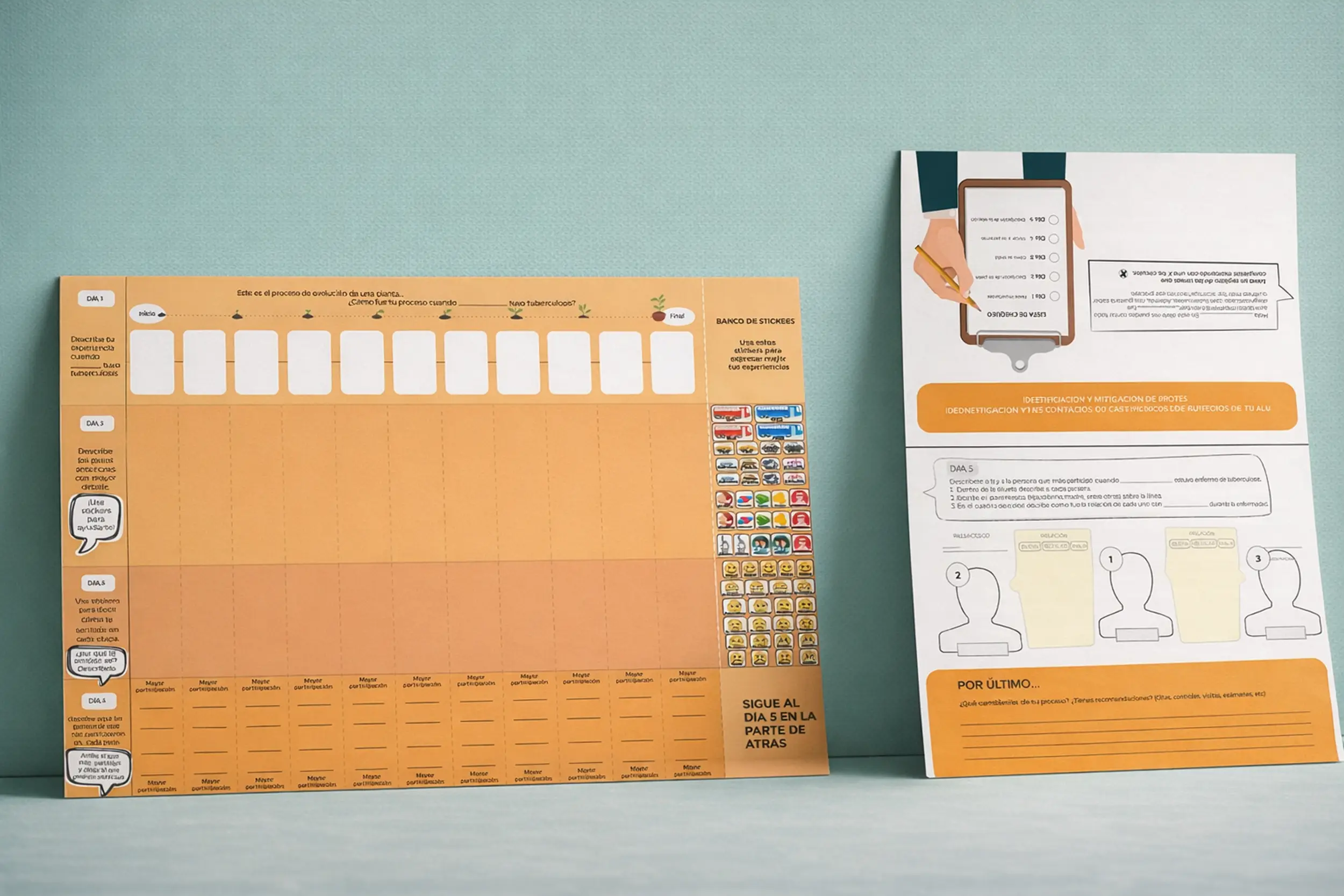
A behavior-centered analysis of the TB contact tracing process, identifying critical gaps and opportunities for intervention.
Key outputs:
Barrier & facilitator mapping
Across systemic, informational, and emotional dimensionsCOM-B behavioral model application
Structuring findings into actionable categoriesBehavior Change Wheel framework
Translating insights into intervention strategies:Education → improve understanding of risks and process
Enablement → provide support tools and guidance
Training → improve communication delivery
Persuasion → highlight consequences and benefits
Impact and Learnings
This project reveals how gaps in communication, timing, and risk perception directly affect participation in TB contact tracing, offering a behavioral lens to improve public health interventions.
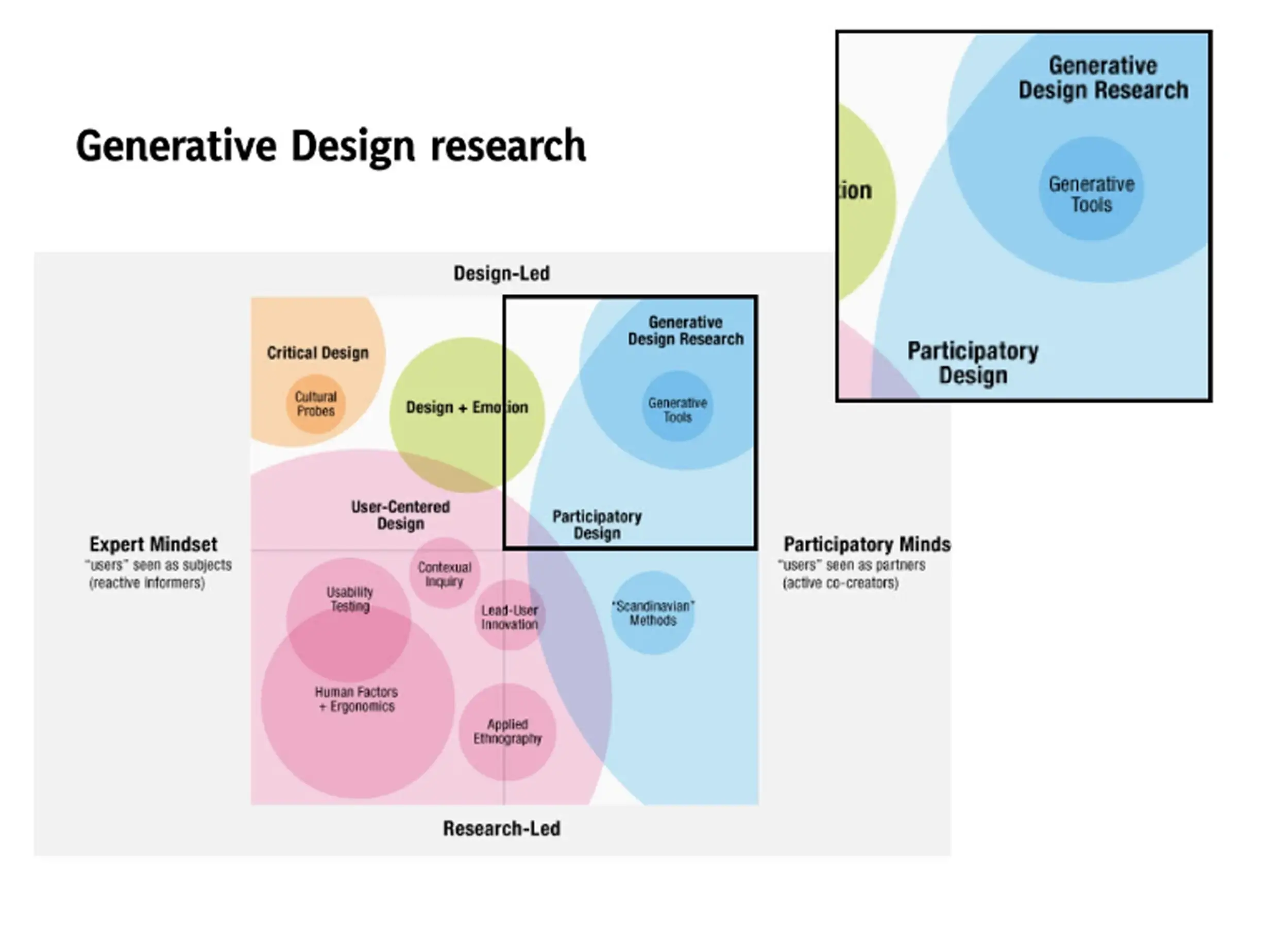
Combining generative research methods with behavioral frameworks allows complex healthcare processes to be understood and translated into actionable strategies.