RBO BRAND UPDATE: ALIGNING HERITAGE TO PRESENT
Evolving a classic motorcycle brand into a more coherent visual identity
OVERVIEW
Context.
RBO is a brand specialized in classic motorcycles and spare parts, deeply rooted in post-war motorbike culture, technical expertise, and passion for riding
Challenge.
The original identity was visually complex and fragmented, making it difficult to maintain consistency across applications and limiting its scalability.
Objectives.
Simplify and unify the visual identity
Preserve the brand’s heritage and technical credibility
Create a more adaptable system for different touchpoints
Establish a transitional stage toward a future, more minimal identity
CONCEPT & EXECUTION
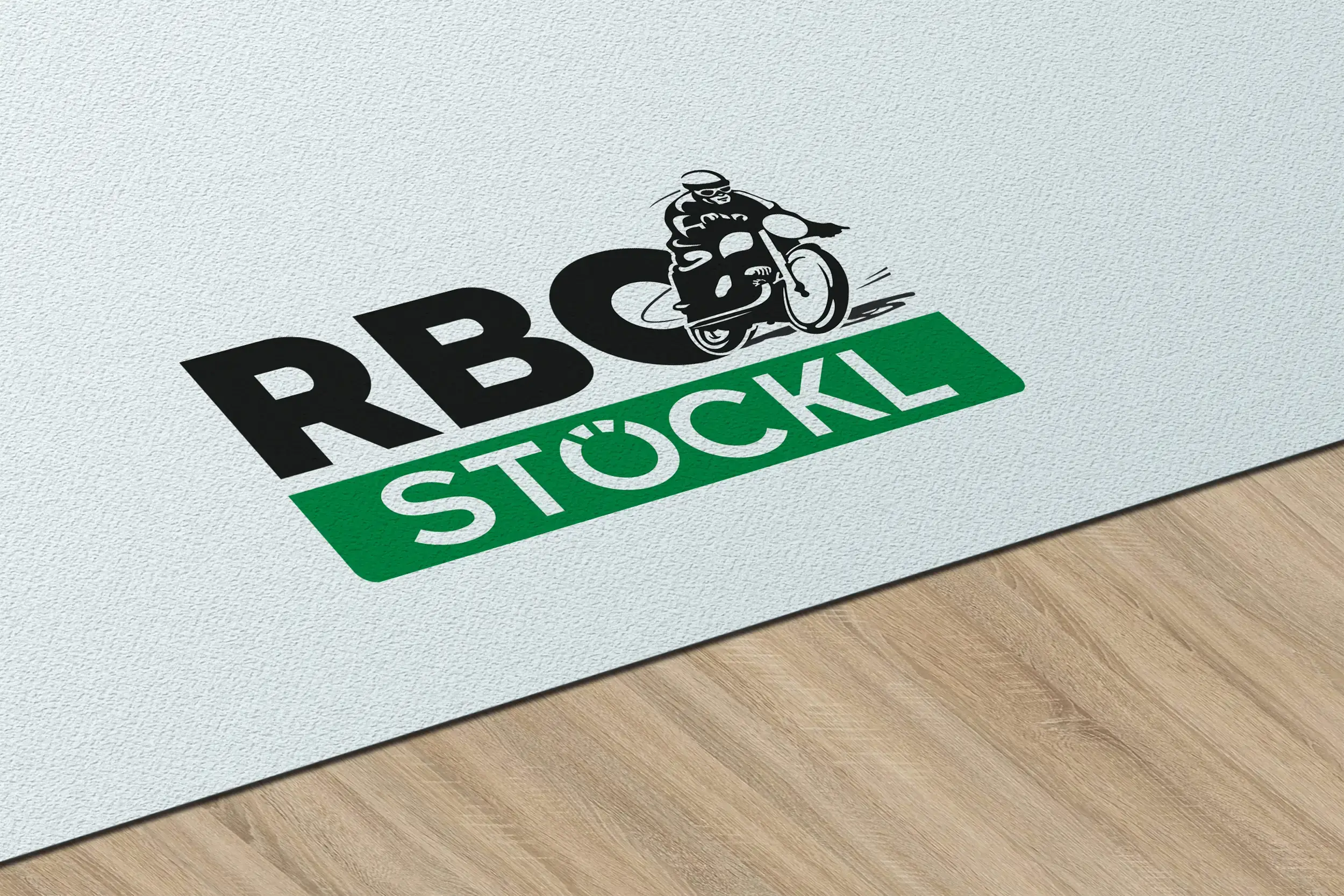
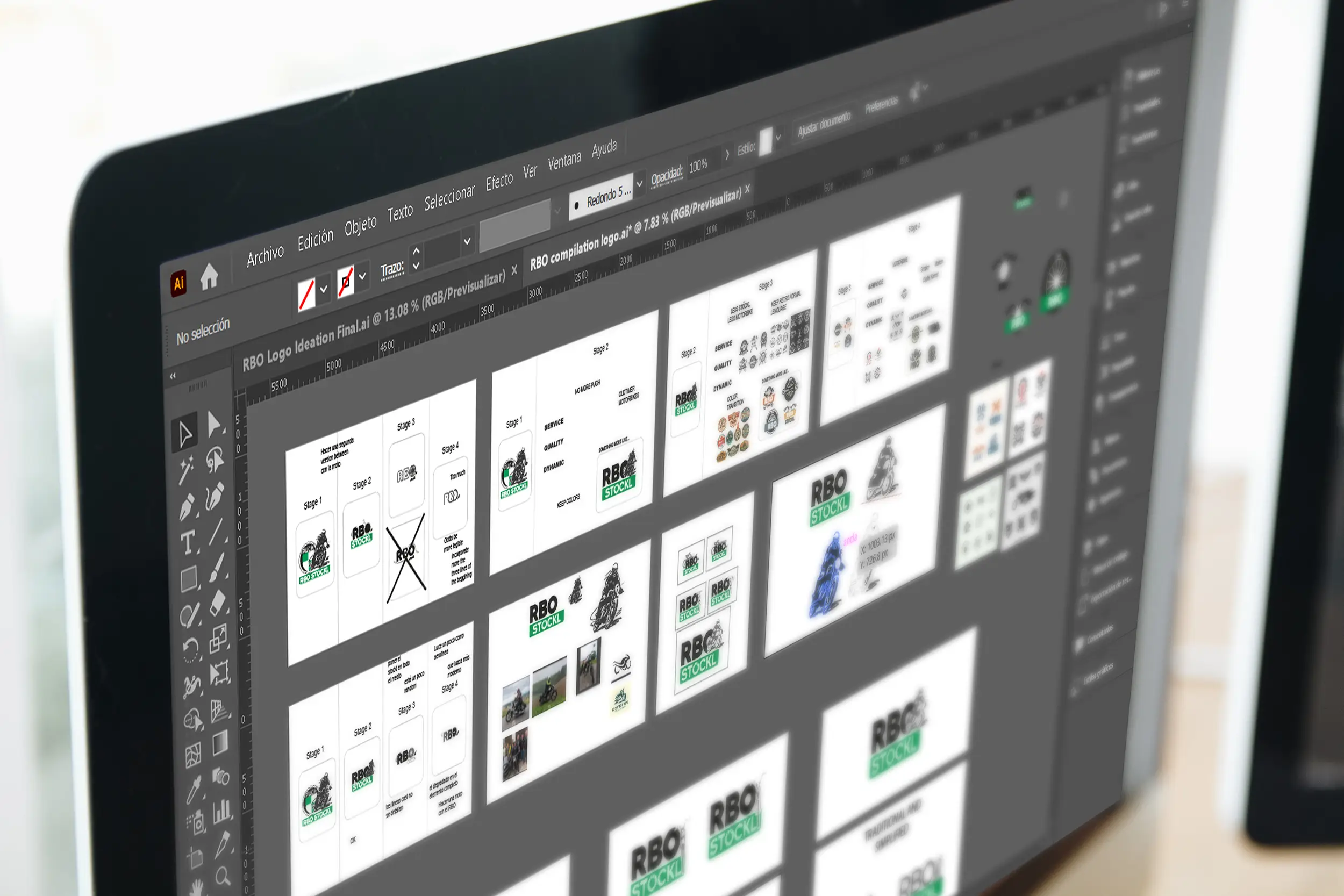
The redesign is based on the idea of evolution rather than replacement — respecting the legacy of the brand while making it more usable in contemporary contexts. Instead of creating a completely new identity, the approach focused on reducing complexity and integrating existing elements into a more coherent system.
The original logo contained multiple competing elements, making it visually heavy and difficult to reproduce. The redesign simplifies the structure, improves readability, and strengthens its presence while maintaining recognizable components of the brand.
Key decisions included:
Simplification of form to improve clarity and scalability
Integration of elements into a more cohesive composition
Preservation of heritage cues to maintain brand recognition
Use of a controlled color palette (black, white, green) to reinforce identity consistency
Establishing a visual direction that works as an intermediate step toward further simplification
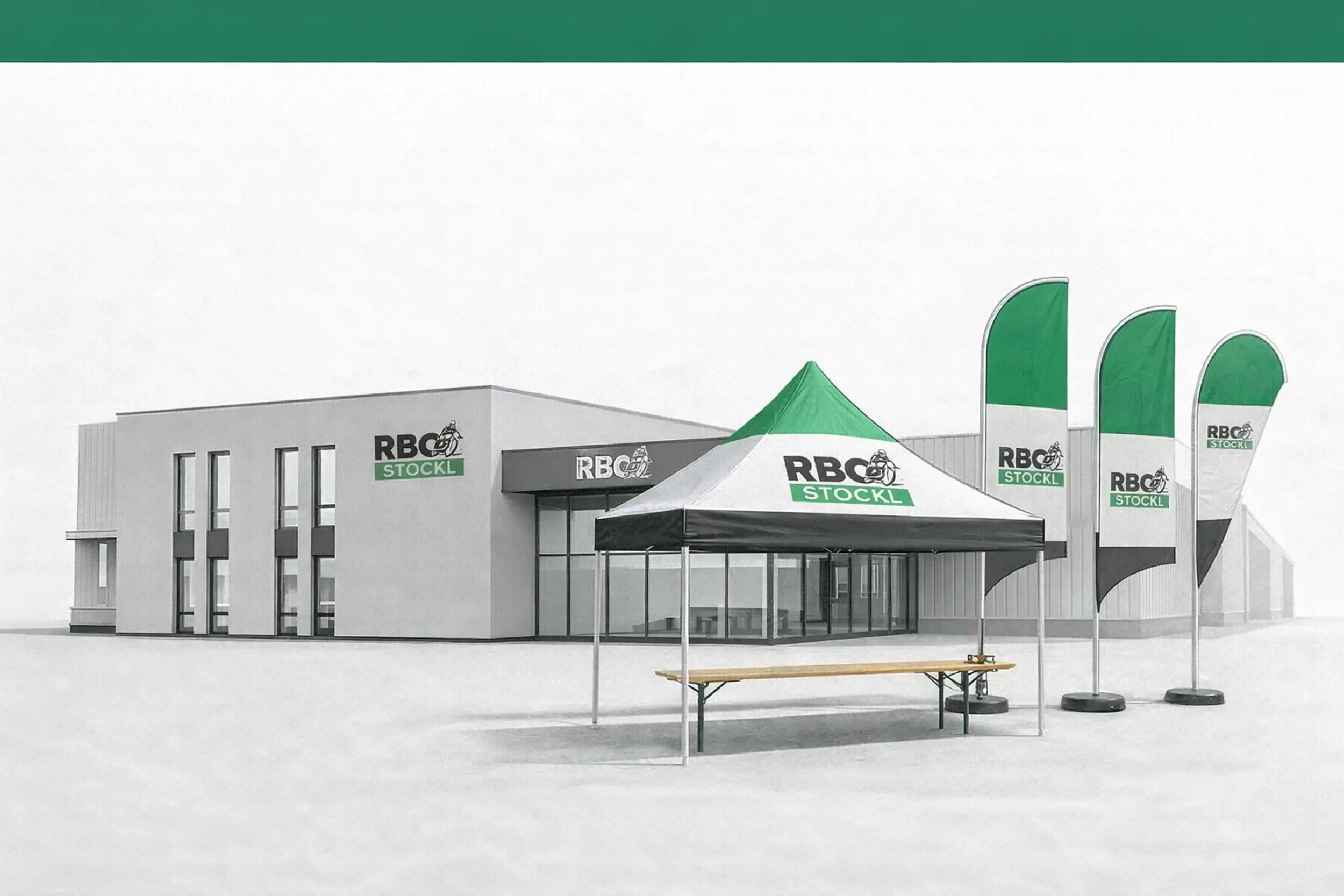
Beyond the logo, the work extended into multiple brand assets, translating the identity into real contexts:
Graphic elements such as labels, stamps, and visual markers
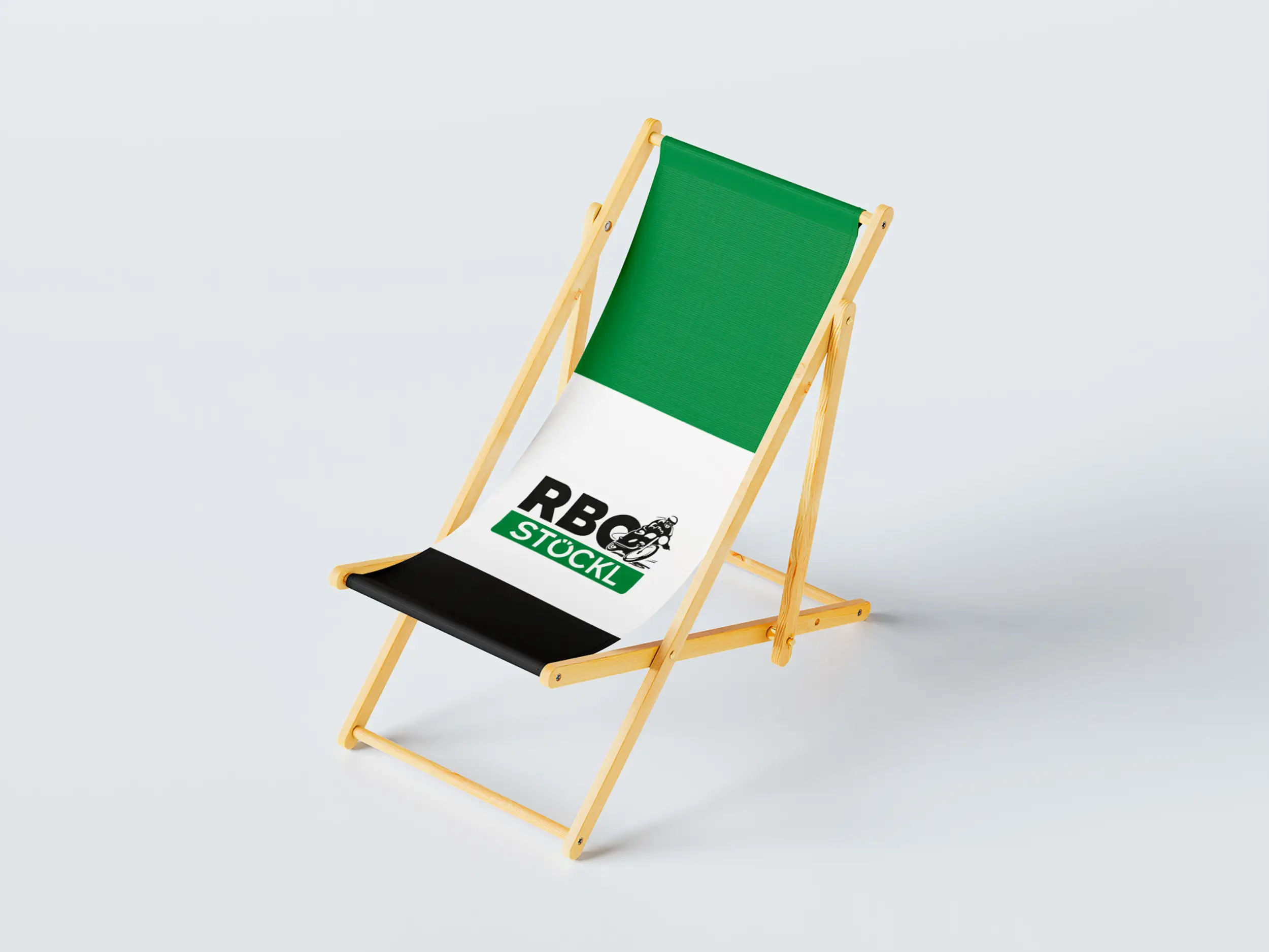
Applications in merchandising and branded materials
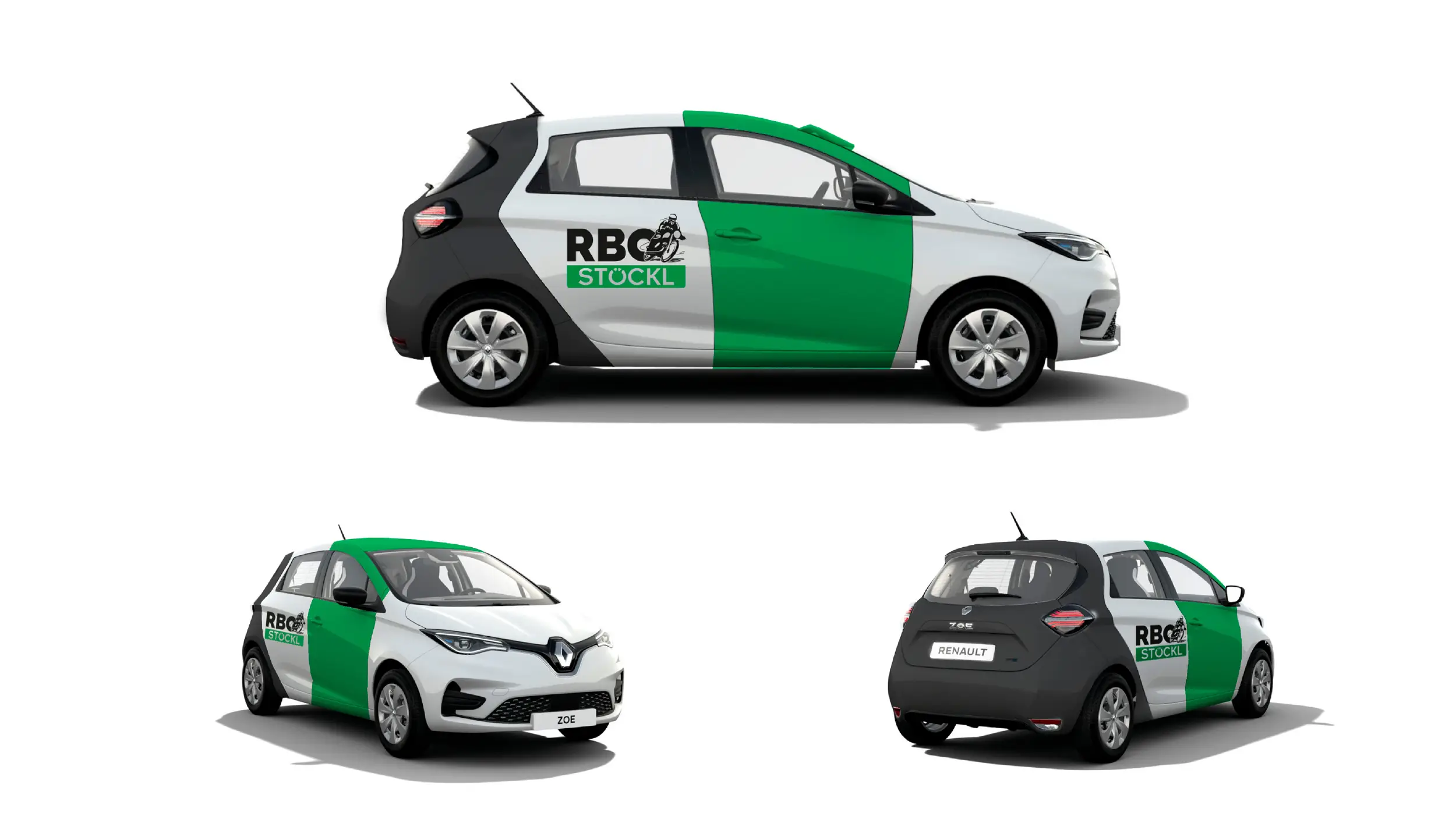
Mockups exploring the identity in vehicles, environments, and physical touchpoints

OUTCOME & LEARNINGS
A more coherent and adaptable visual identity, capable of maintaining the brand’s heritage while improving its usability across different formats and contexts.
Working with legacy brands requires balancing respect for existing recognition with the need for simplification, understanding that sometimes the best solution is not to redesign from scratch, but to evolve strategically over time.
