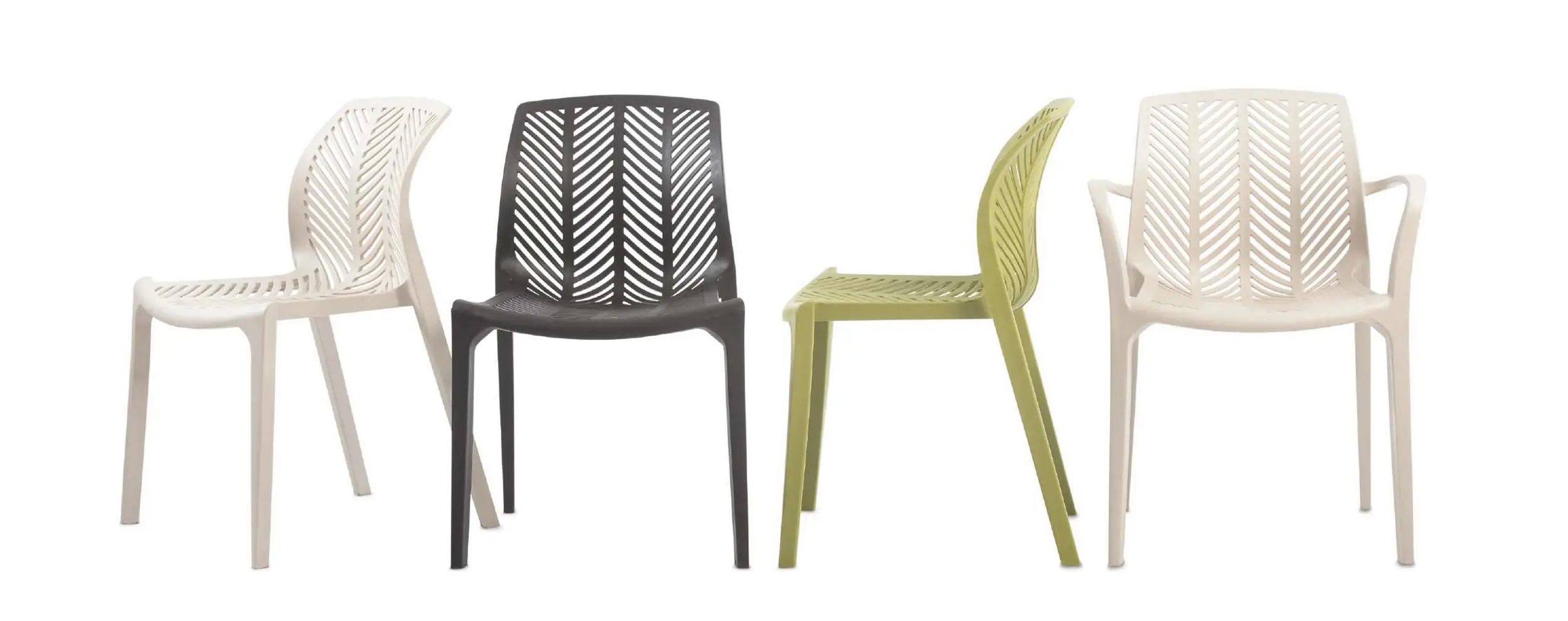
EDITORIAL AND DIGITAL COMMERCIAL MATERIAL FOR SEATING COMPANY
Translating complex product systems into clear visual communication

OVERVIEW
Context.
Inorca designs and manufactures seating systems for cinemas, auditoriums, and contract spaces (HORECA), offering a wide range of products with multiple configurations, materials, and features.
Challenge.
The main challenge was to communicate a highly complex product ecosystem, where each model could vary significantly in finishes, accessories, and technical specifications — without having visual material for every possible combination.
Objectives.
Create clear and structured catalogs and technical sheets
Represent a wide variety of product configurations visually
Ensure consistency across different product lines
Balance technical precision with visual clarity
CONCEPT & EXECUTION
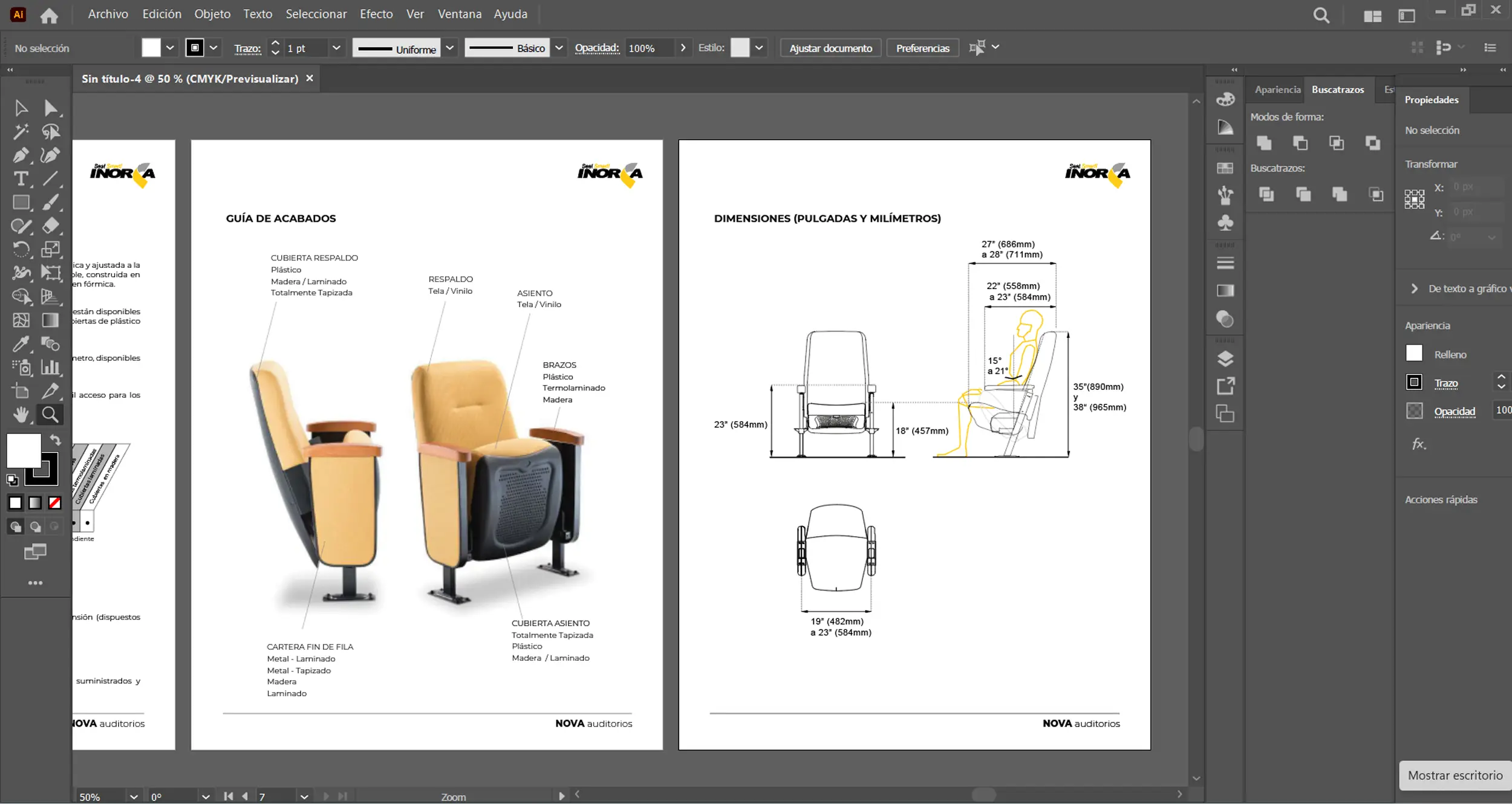
The approach focused on transforming complexity into understandable visual systems, allowing users to quickly grasp product variations and features.
Given the scale of the product catalog and the lack of photographic material, a significant part of the work involved creating realistic visual compositions to represent different configurations.
Key decisions included:
Building a modular visual logic to organize products, features, and variations
Creating photorealistic compositions in Photoshop to simulate materials, finishes, and combinations
Prioritizing clarity and hierarchy in layout to support quick understanding
Designing catalogs and sheets that balance technical information with visual readability
In parallel, I collaborated in art direction for product photography, ensuring consistency between real and constructed visuals.
The work also required understanding how products evolve, participating in discussions around new features and product development, which informed how these elements were later communicated visually.



OUTCOME & LEARNINGS
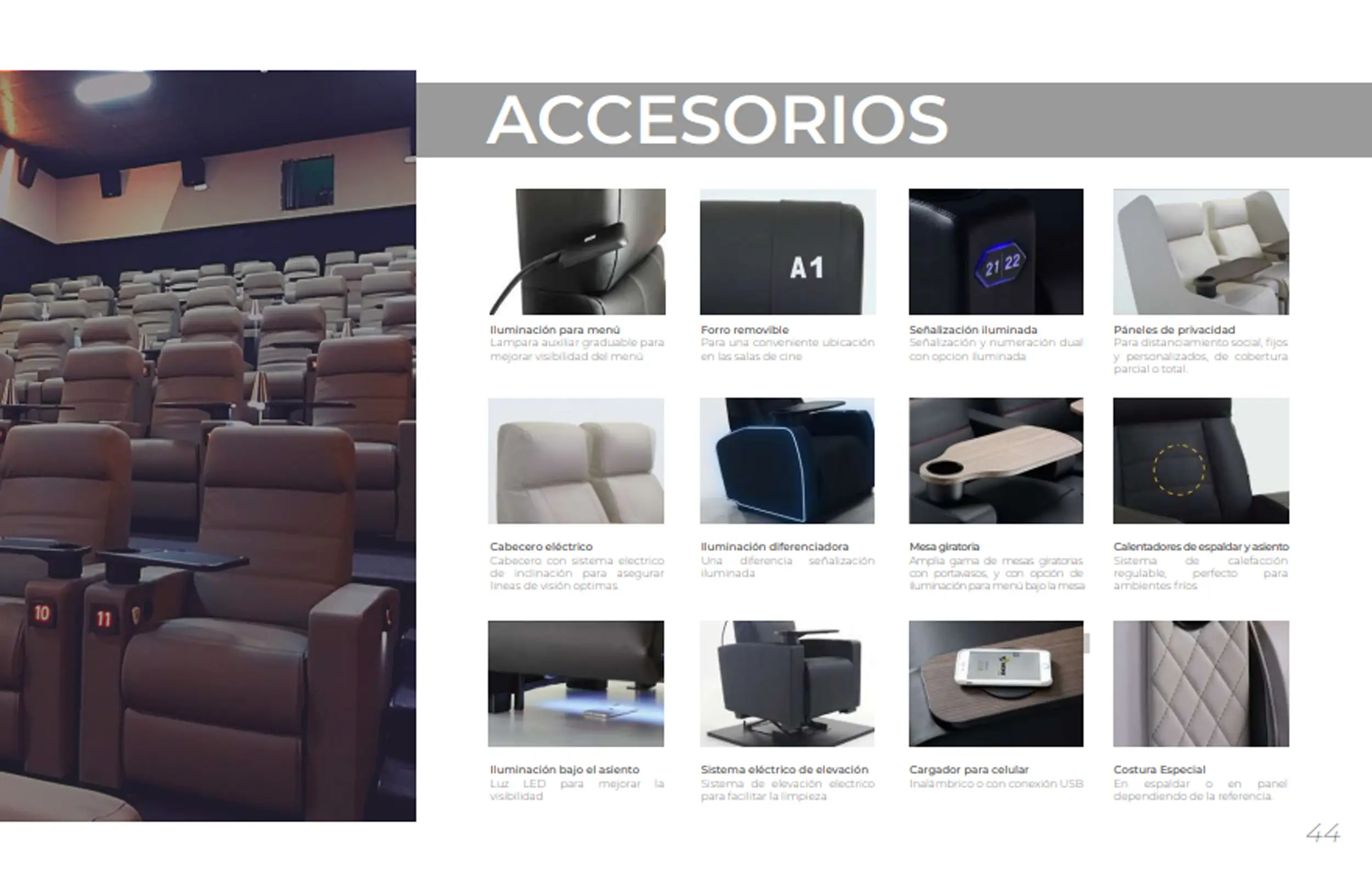
A set of catalogs and technical materials capable of representing a large and complex product ecosystem, improving how products are understood and presented across different contexts.
Working with complex product systems requires more than visual design — it demands the ability to structure information, simulate reality when needed, and maintain consistency at scale.